The Rise of Biohacking: Recovery Treatments Explained
Introduction
The biohacking movement has transformed how we approach health and recovery, with cutting-edge treatments once reserved for elite athletes now becoming mainstream. From cryotherapy chambers to hyperbaric oxygen therapy, these innovative recovery modalities promise enhanced performance, faster healing, and improved wellbeing.

UK residents are increasingly seeking these advanced treatments, but many face significant barriers: limited availability, long waiting lists, and premium pricing that puts regular sessions out of reach. This comprehensive guide examines the most popular biohacking recovery treatments, evaluating the evidence behind their claims and exploring why many health-conscious individuals are looking beyond UK borders to access these therapies.
Whether you're an athlete seeking performance gains, an executive managing stress, or simply someone interested in optimising your health, understanding these treatments and their practical applications can help you make informed decisions about your wellness journey.
What Is Biohacking and Why Recovery Matters
Biohacking represents the practice of using science, technology, and lifestyle modifications to optimise human biology and performance. At its core, it's about taking control of your body's systems to achieve better health outcomes, enhanced cognitive function, and improved physical capacity.
Recovery treatments form a crucial component of biohacking because they address one of modern life's biggest challenges: inadequate recovery from physical and mental stress. Traditional rest often isn't enough to counteract the demands we place on our bodies through intense training, high-stress careers, poor sleep, and environmental toxins.
Modern recovery modalities work by triggering specific physiological responses: reducing inflammation, improving circulation, stimulating cellular repair, and activating the body's natural healing mechanisms. These treatments essentially hack into existing biological pathways to accelerate recovery processes that would otherwise take much longer.
The appeal lies in their efficiency. Rather than spending weeks recovering from intense training or chronic stress, targeted treatments can potentially reduce this timeframe to days or even hours. This efficiency explains why professional athletes, executives, and health enthusiasts worldwide are embracing these technologies as part of their regular wellness routines.
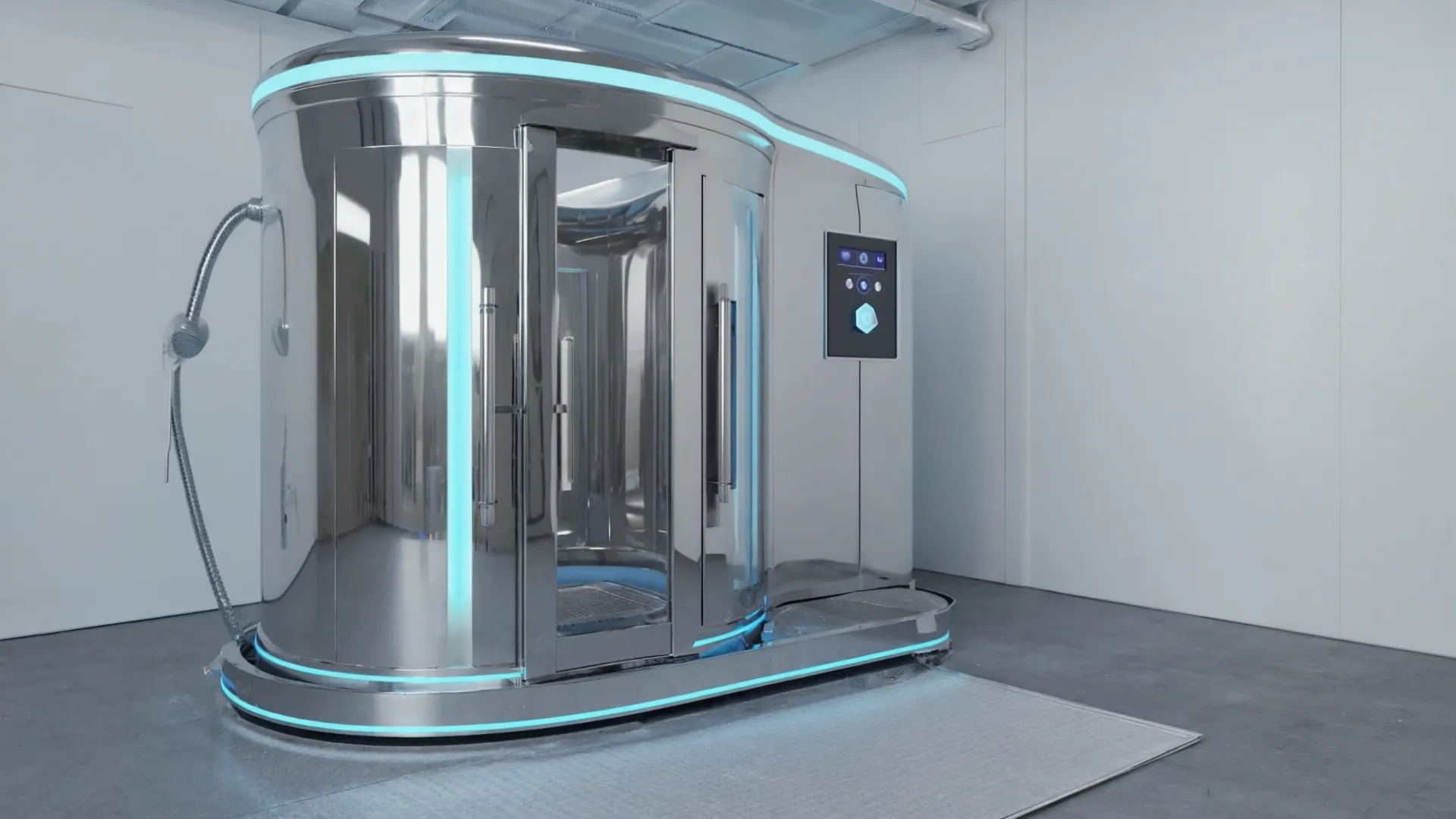
Cryotherapy: The Power of Extreme Cold
Cryotherapy involves exposing the body to extremely cold temperatures, typically between -110°C to -140°C, for short periods of 2-4 minutes. Whole-body cryotherapy chambers use liquid nitrogen or refrigerated air to create these sub-zero conditions, triggering a controlled stress response.
The treatment works by causing blood vessels to constrict, reducing inflammation and metabolic activity. Upon exiting the chamber, blood vessels dilate rapidly, flooding tissues with oxygen-rich blood and nutrients. This process, called vasoconstriction followed by vasodilation, is believed to accelerate healing and reduce pain.
Research on cryotherapy shows mixed but promising results. Studies indicate potential benefits for reducing muscle soreness, decreasing inflammation markers, and improving recovery times after intense exercise. Some research suggests it may help with conditions like arthritis and fibromyalgia, though more robust clinical trials are needed.
Professional athletes have long championed cryotherapy, with Premier League football clubs, Olympic teams, and NBA players using it regularly. Business executives and wellness enthusiasts have followed suit, using sessions to manage stress, improve sleep, and boost energy levels. However, individual responses vary significantly, and what works dramatically for some may provide minimal benefits for others.
Infrared Sauna Therapy: Heat That Heals
Unlike traditional saunas that heat the air around you, infrared saunas use light wavelengths to penetrate skin and heat the body directly. Operating at lower temperatures (45-60°C compared to 80-100°C for traditional saunas), they're more comfortable for longer sessions whilst potentially providing enhanced benefits.
Infrared light penetrates 4-5cm into skin and muscle tissue, raising core body temperature and promoting deep sweating. This process is thought to enhance circulation, support detoxification through increased sweating, and trigger the release of heat shock proteins that may protect against cellular damage.
Scientific evidence supports several benefits of infrared sauna use. Studies show improvements in cardiovascular health, with regular use potentially lowering blood pressure and improving arterial flexibility. Research also indicates benefits for muscle recovery, pain management, and even mood enhancement through endorphin release.
The treatment has gained popularity among those seeking stress relief, improved sleep quality, and support for chronic conditions like arthritis. Some users report enhanced mental clarity and energy levels, though these subjective benefits vary. Safety considerations include staying hydrated and avoiding sessions if you have certain cardiovascular conditions or are pregnant.
Red Light Therapy: Cellular Energy Enhancement
Red light therapy, also known as photobiomodulation or low-level laser therapy, uses specific wavelengths of red and near-infrared light (typically 660-850nm) to stimulate cellular processes. LED panels or laser devices deliver these wavelengths to skin and underlying tissues.
The mechanism involves light absorption by cellular mitochondria, potentially increasing ATP (cellular energy) production. This enhanced cellular energy may support various biological processes, including collagen production, wound healing, and anti-inflammatory responses.
Research on red light therapy spans multiple applications. Studies suggest benefits for skin health, including reduced signs of ageing and improved wound healing. Some research indicates potential for muscle recovery, with reduced soreness and faster healing after exercise. Mental health applications are emerging, with preliminary studies exploring benefits for seasonal affective disorder and cognitive function.
Athletes use red light therapy for muscle recovery and injury prevention, whilst wellness enthusiasts seek skin health and anti-ageing benefits. Treatment protocols vary widely, from daily short sessions to less frequent longer treatments. The therapy is generally considered safe, with minimal side effects reported, though eye protection is recommended during treatment.
HBOT: Hyperbaric Oxygen Therapy
Hyperbaric oxygen therapy (HBOT) involves breathing pure oxygen in a pressurised chamber, typically at 1.5-3 times normal atmospheric pressure. Originally developed for decompression sickness in divers, HBOT is now used for various recovery and wellness applications.
Under pressure, oxygen dissolves more readily into blood plasma, potentially delivering higher oxygen concentrations to tissues throughout the body. This increased oxygen availability may enhance cellular repair processes, reduce inflammation, and support the growth of new blood vessels.
Medical research on HBOT is extensive for certain conditions, including non-healing wounds, radiation injuries, and carbon monoxide poisoning. Emerging research explores applications for traumatic brain injury, chronic fatigue, and cognitive enhancement, though evidence quality varies.
In the biohacking community, HBOT is used for enhanced recovery, cognitive performance, and anti-ageing purposes. Sessions typically last 60-90 minutes and may be prescribed as courses of multiple treatments. Whilst generally safe when properly administered, potential side effects include ear pressure, temporary vision changes, and rare complications like oxygen toxicity.
Treatment Combinations and Recovery Stacking
Modern biohacking approaches often combine multiple recovery modalities in strategic sequences, a practice known as recovery stacking or contrast therapy. The theory suggests that different treatments target various physiological pathways, potentially providing synergistic benefits.